
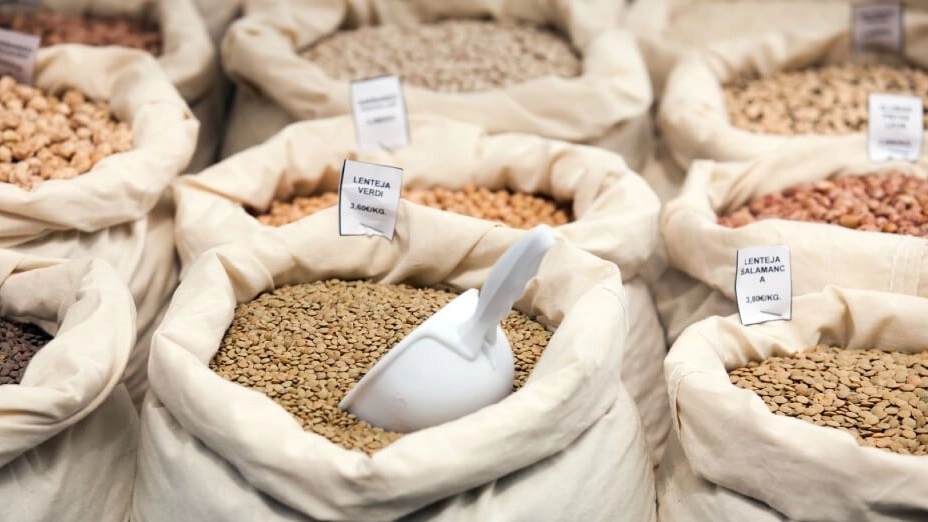
The importance of the freshness of the beans
Since legumes are classified as dry fruits, you might think that it doesn't matter whether they are fresh or old. While beans contain a lot of vitamins, antioxidants and proteins useful for the body. The fresh and high-quality type of these seeds plays an important role in your health. The passage of time may cause many of the properties of legumes to disappear. On the other hand, the freshness of beans can make your food tasty and delicious. For this reason, it is very important to be familiar with the important points for buying fresh beans.
Important tips to buy new and high quality beans
1. The expiry date of the product
If you buy beans in a packaged form, be sure to check the expiration date and avoid buying beans that have been produced for a long time; But if you buy these seeds in bulk form, be sure to ask the seller about the production time and buy from reputable stores in this field as much as possible. Stores that have a lot of customers will definitely sell their products in a shorter time and must always prepare and present new products. In this way, you can shop at these stores with peace of mind.
2. The shape and appearance of the beans
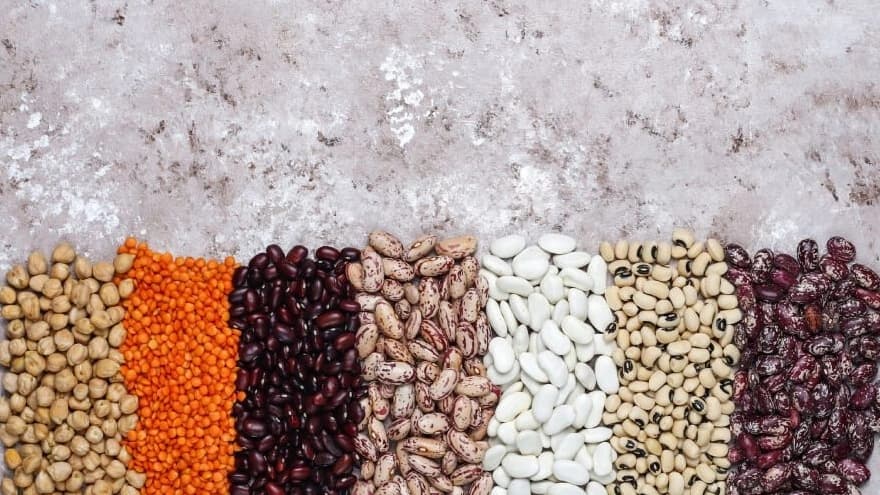
Paying attention to the color and appearance of beans is one of the important points for buying fresh beans, which helps to recognize its freshness. Rotten beans are often discolored and have an unsightly appearance. Beans that turn yellow or brown, a long time has passed since they were produced and are not fresh. On the other hand, the presence of a lot of dust on the product means that a long time has passed since its production.
Another thing that should be checked in the appearance of beans is the presence of holes on it. Dried fruits are one of the most delicious foods for insects. In this way, the probability that they will attack beans is very high. Of course, during the production process of these products, they may be affected by pests that have nothing to do with whether the product is fresh or old; But if a large percentage of beans have holes caused by insects, it means that the product is old.
1. Are uniformity of all beans inside the packaging in terms of shape and size
Another important point for buying fresh beans is to pay attention to its uniformity; Because the non-uniform size of the beans indicates that the product is impure and causes problems in cooking. Usually, old beans are collected over time and become small in size. In such a case, the seller may mix it with fresh beans to sell.
Beans have different cooking times depending on whether they are big or small, as well as whether they are fresh or old. Thus, if you get beans that are too big and some are too small, you will have a lot of trouble cooking them. In a certain period of time, some beans are cooked and others remain uncooked. If you wait to cook all the beans, the other beans may get crushed.
On the other hand, you should carefully check that there are no seeds that have broken or lost their skin in the product; Because it indicates the low quality of those beans. The presence of split seeds among the legumes also means that a long time has passed since the production of this product. There should be no difference in the color of the grains. In fact, if one of the seeds has a dark color and the other has a light color, it means that seeds with different production times have been mixed together. Thus, you should avoid buying beans that have these characteristics and do not show a uniform appearance, and consider this as one of the important points for buying fresh beans.
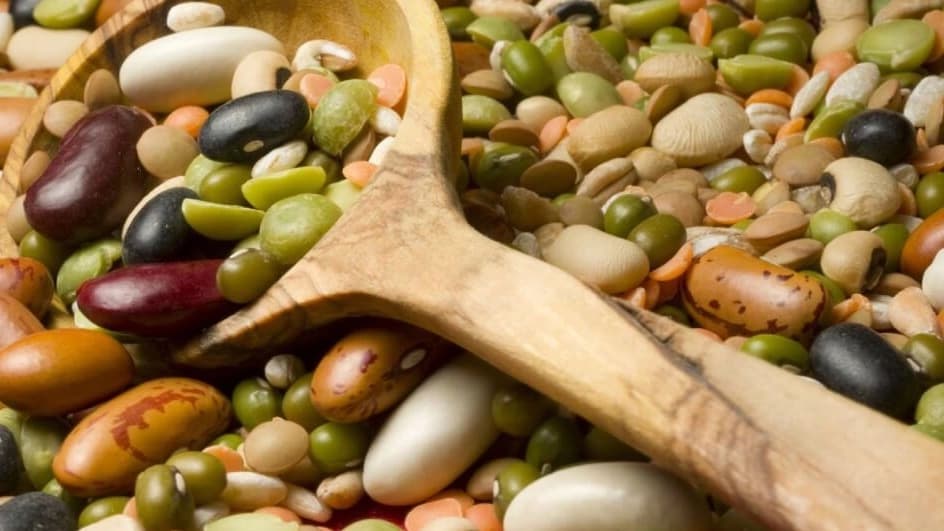
If a long time has passed since the production of beans and the storage conditions are not suitable, contaminations such as the presence of worms and insects will be observed in it. To determine if there are insects and worms in the packaged product, just gently tap the bean package several times. If the insects have penetrated it, they move towards the packaging wall and can be seen. Another way to detect the presence of insects is to pay attention to the appearance of beans.